This Is LOSTAT66
LOSTAT66 — THE HIDDEN MEANING & SYMBOLISM
Chapters
The Mythology Behind the Temple
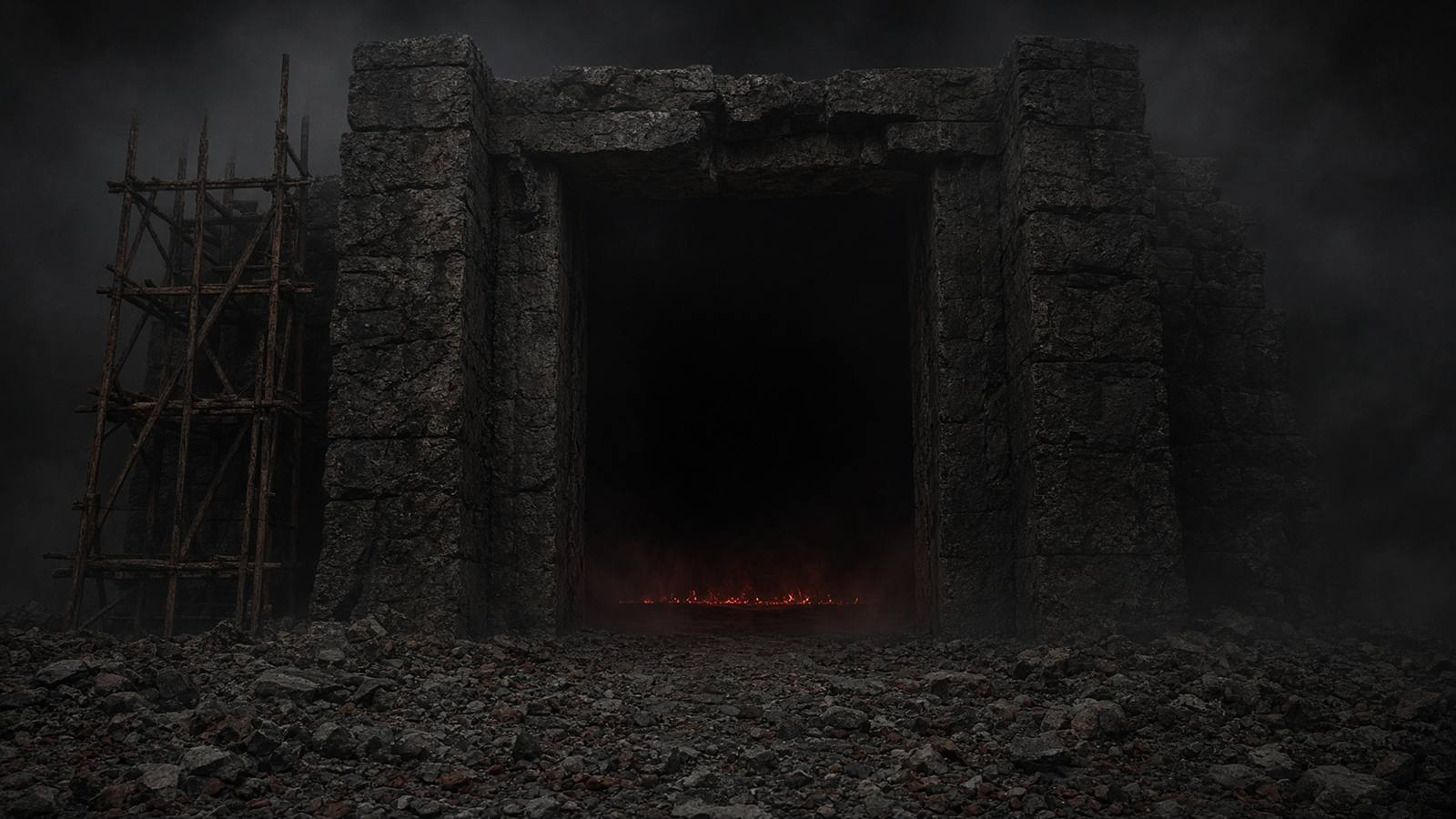
LOSTAT66 begins where the road stops offering an innocent way forward. At the Crossroads, beneath the weight of everything left unsaid, a promise is made: what happened will become something. Not something clean. Not something untouched. Something that can bear witness. The independent Australian alternative/metal music and clothing project of Issac Ward takes that promise into an unfinished Temple, carrying loss, shame, isolation and survival through its doors without pretending that darkness becomes harmless once it has a name.
Spoken lost at sixty-six, the name is a threshold before it is an introduction. LOST is the wound: the distance between continuing to function and recognising the person doing the living. AT holds that person in a moment of confrontation. And 66 is LOSTAT66's own cipher, a symbolic construction of initiation, doubling and transformation. One self faces another across the threshold. The person who entered the darkness looks towards the person still becoming. Neither can simply be erased to make the story easier to tell.
Ward writes from personal experience, turning suffering, mistakes, destructive patterns, broken relationships and the difficult work of rebuilding into music and visual storytelling. But the songs are not offered as a catalogue of wounds for strangers to inspect. Their purpose reaches beyond confession. They give shape to things that can be almost impossible to say plainly: the shame that outlives an event, the silence mistaken for strength, the familiar pain that begins to feel like home. What could remain locked inside one person becomes language another person might recognise.
The journey does not begin with the Tarot. It begins with A Debt Owed Paid in Full, the Crossroads and the Oath. Do Not Resuscitate follows as its immediate consequence: the old patterns cannot all be carried forward. Three Inverted Nines becomes the doorway into the cycle, where repetition, inversion and the search for meaning lead further inward. A promise has been made. Whether the hands making it understand its full weight is another question. Something in the silence continues listening.
Across the five Tarot albums, the same human struggle changes its face. Nine of Swords turns the mind into a room that will not release its occupant. The Devil confronts the chains, the dependencies and the identities mistaken for freedom. The Lovers brings those unresolved wounds into connection, where giving everything can become another way of disappearing. The Emperor asks what strength means when control over others is no longer an answer. In The World, a released album that closes the Tarot cycle, the scattered versions of the self are finally allowed to stand together. Completion belongs to that cycle. It does not mean that the person, or the Temple, is finished.
There are quieter passages within the descent. Welcome to Anhedonia revisits earlier chambers through acoustic reimaginings, recovered recordings and songs that found their place there. Its softer edges do not soften what the words carry. Elsewhere, The Resurrection, the established interludes and The Final Chapter Baptism give emergence, persistence, faith and release their own place in the wider story. These are movements through experience, not instructions to become invulnerable. Survival is not the same as never hurting again.
The new album The Temple returns to the act of building itself. Walls raised against harm can also keep living people out. A structure made from survival can become an enclosure unless its builder learns what the door is for. Ward's words hold the project at that necessary point of honesty: "The Temple is the final destination, but it's still being built. It's the acknowledgement that I have to build a place to hold the weight." The need is acknowledged. The work is ongoing. No finished sanctuary is being claimed.
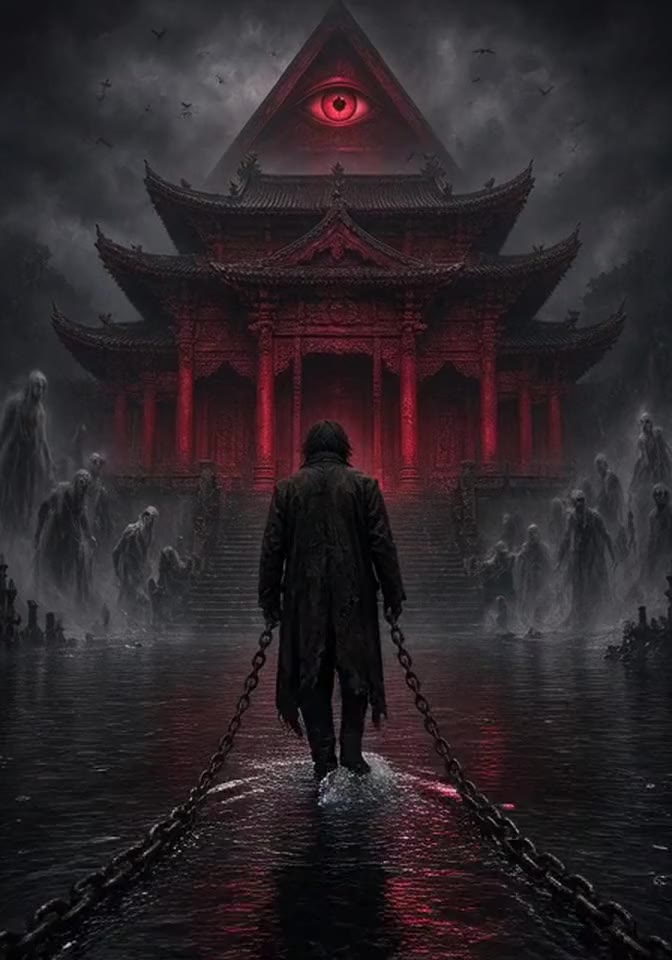
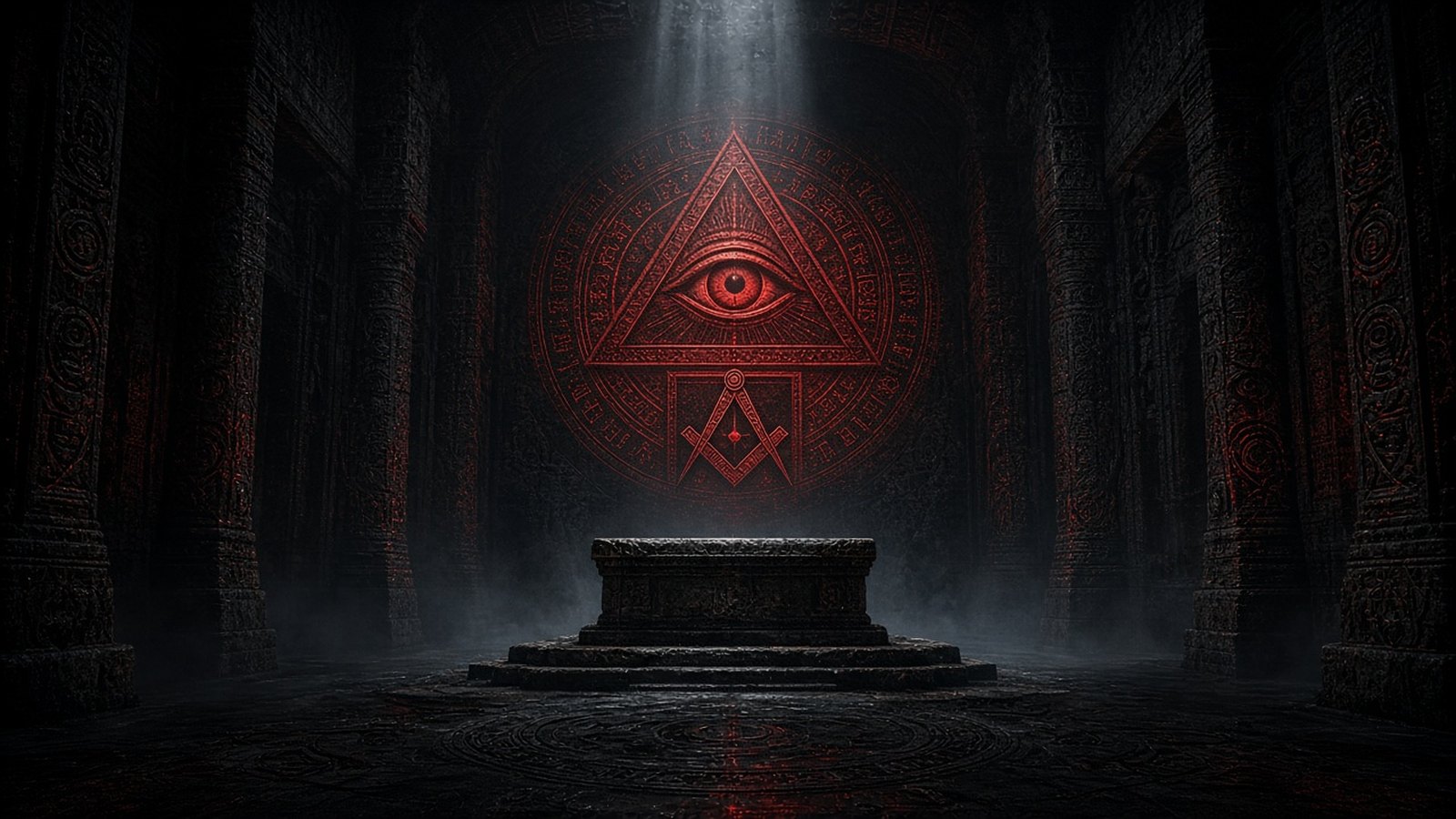
Music, clothing, artwork and the website inhabit that same architecture. The eye asks for awareness; the square and compass carry the tension between who someone is and who they are trying to become. The marks continue from sound into cloth without becoming detached ornaments. The website is part of the artwork: a world to enter, not a shop with songs laid over it.
At its centre, LOSTAT66 refuses to worship what nearly destroyed a person. Pain is not an entrance fee, and belonging does not depend on making suffering beautiful. The listener brings their own meaning, their own silence, their own unspoken weight. The music does not promise to cure it. It makes room for recognition. Somewhere between the testimony and the person hearing it, isolation can loosen its grip. The door stays open. The work goes on.
1. THE NAME: LOST AT 66
The name itself can be read as three symbolic elements.
LOST — THE WOUND
Being lost isn't simply not knowing where you're going. It can mean losing your identity while continuing to function, losing your voice because nobody hears it, or becoming so accustomed to pain that you mistake it for your personality.
Within the LOSTAT66 mythology, the lost person isn't weak or broken beyond repair. They are someone who has travelled so far through their own darkness that they no longer recognise the person who entered it.
The name carries its emotional foundation here:
A person can be lost without being beyond saving.
AT — THE THRESHOLD
The word AT is unusually important. It suggests a location, a moment, a coordinate on a map.
You aren't merely lost. You're lost AT something.
That creates a mystery. What is 66? A place? An age? A degree? A destination? A state of consciousness?
It turns the name into a threshold. The listener is standing at the entrance to a story before they even hear the first song.
66 — THE CIPHER
The number can operate as a private symbolic code rather than having only one literal explanation.
Within the established mythology, it connects to the Masonic idea of degrees and initiation, the age of initiation in the LOSTAT66 story, and the distinction between what the world sees and what the initiated person understands.
The listener may assume 66 has an obvious meaning, but the deeper meaning is something they must uncover through the music, artwork, lyrics and recurring symbols.
66 is a key, not merely a number.
2. THE MASONIC SYMBOLISM — THE UNFINISHED TEMPLE
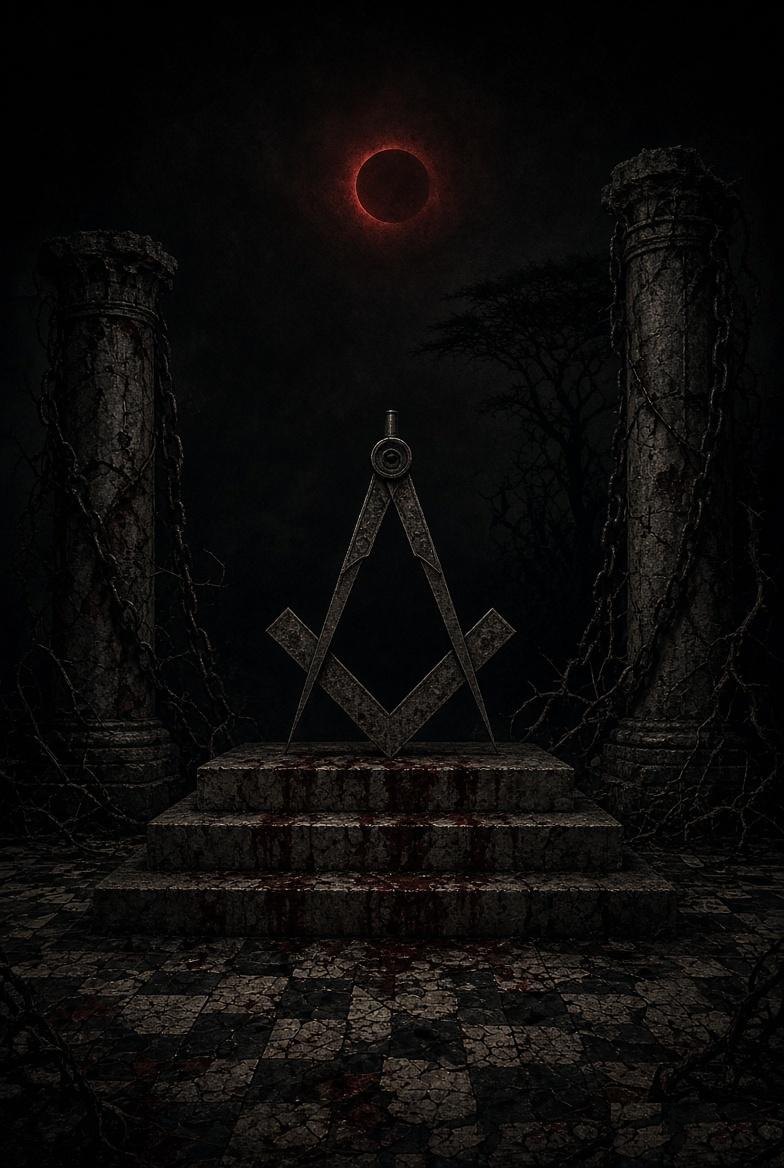
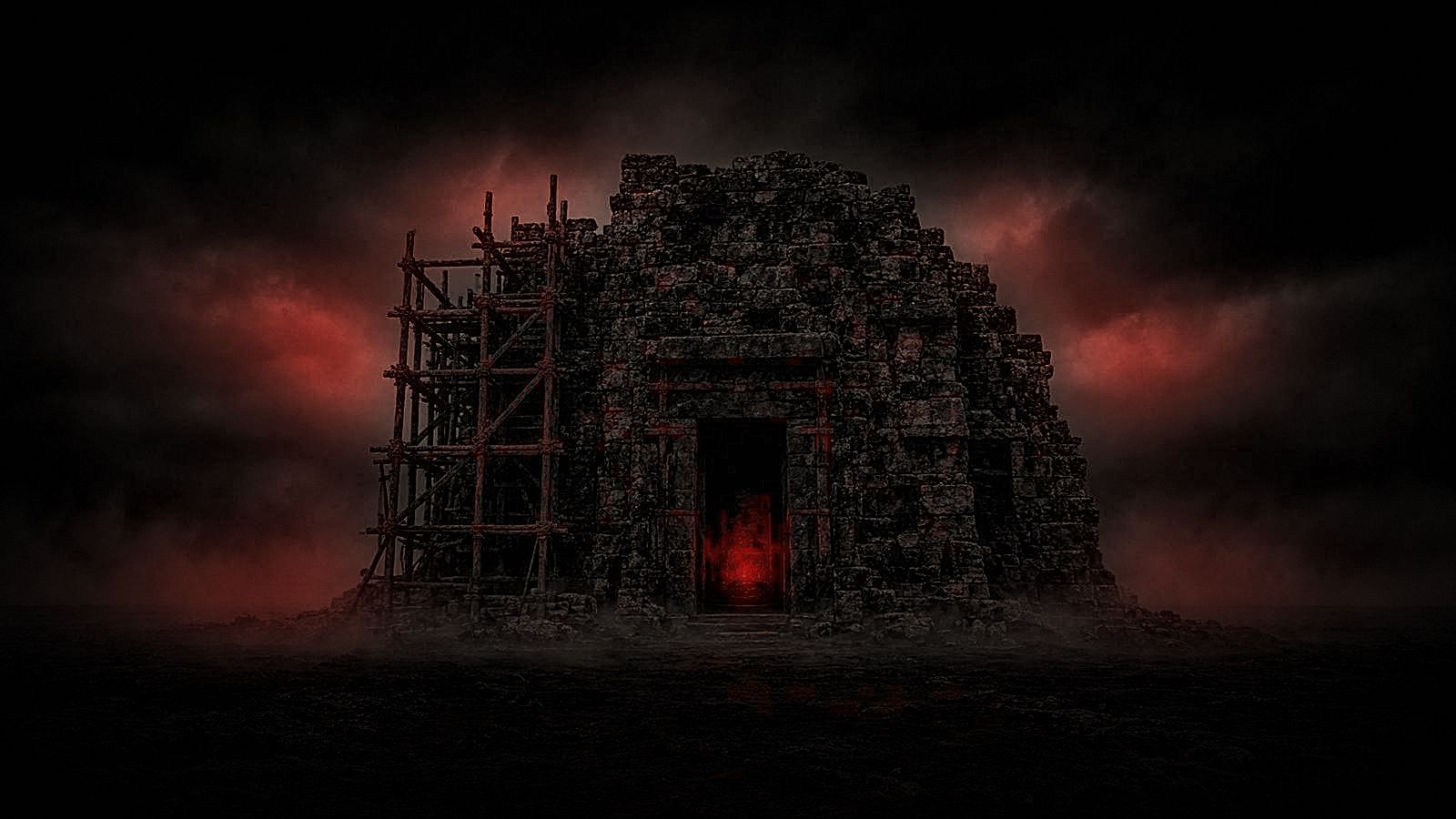
The Temple is one of the strongest symbols in the LOSTAT66 world because it can represent the human being.
Masonic symbolism provides a framework for thinking about character, discipline, self-improvement and the work of building. LOSTAT66 takes those ideas into a more personal, psychologically dark place.
- The unfinished Temple: The self you haven't finished becoming.
- The broken stone: The damage, grief and shame carried through life.
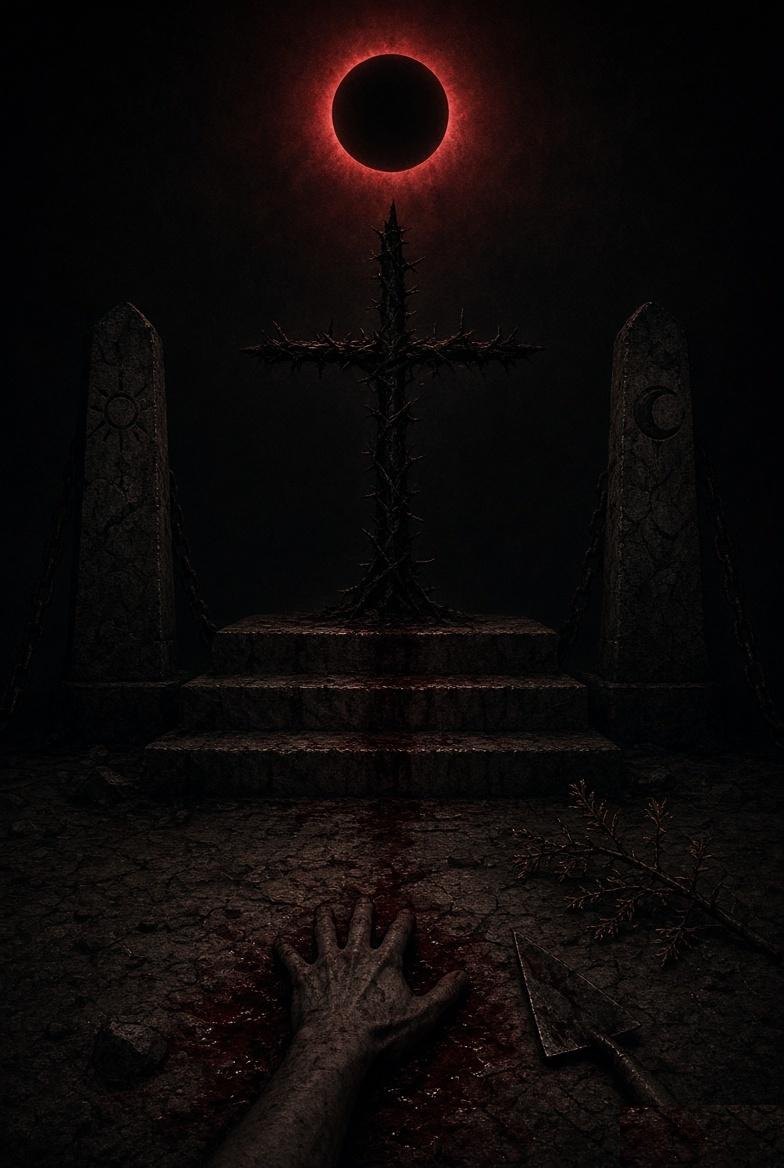
- The altar: The place where you finally stop hiding from what happened.
- The oath: The promise made at your lowest point, whether it saves you or becomes another chain.
- The square and compass: The tension between the person you are and the person you are trying to become.
- The all-seeing eye: The act of seeing yourself clearly when you can no longer hide behind your own excuses.
The hidden contradiction is that a person can spend years building a prison while believing they are building a temple.
You can build walls out of survival mechanisms, habits, fear and shame. Eventually, those walls become the very thing keeping you from the life you wanted.
The Temple isn't simply a place you enter. It's the person you are constructing, one decision at a time.
3. THE CROSSROADS — THE TRUE BEGINNING
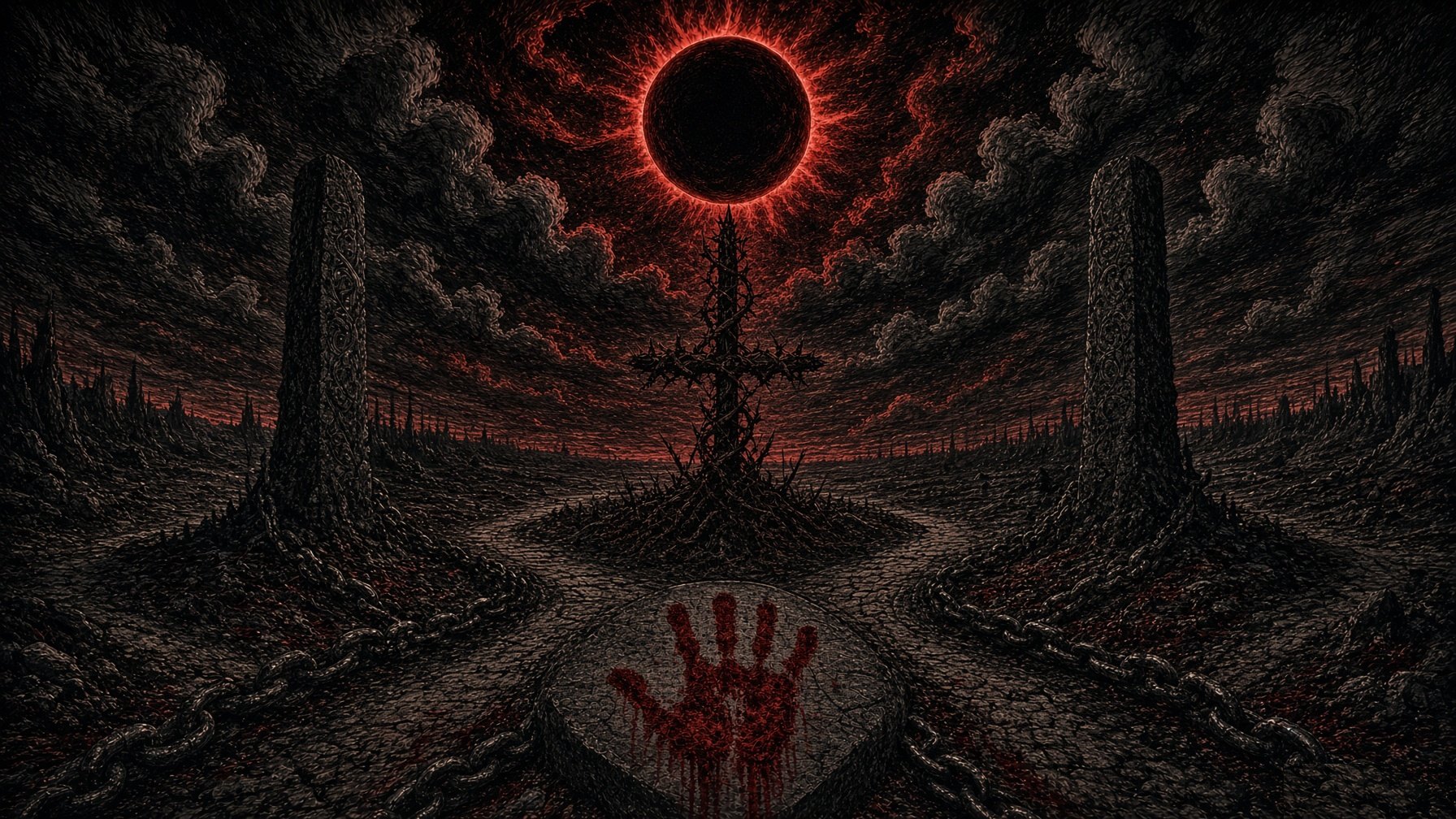
The crossroads represents the moment when your old identity can no longer carry you forward.
Within the LOSTAT66 lore, this connects directly to A Debt Owed Paid in Full and the Crossroads Oath.
The symbolism has several layers:
- Two roads: The self that continues down the familiar path, and the self that risks becoming something different.
- The debt: The accumulated cost of choices, suffering, silence and the things left unresolved.
- The oath: A promise made when the person has reached the point of no return.
- The unfinished journey: An oath can start a transformation without guaranteeing that the person will survive it unchanged.
This is where the mythology becomes more than darkness for darkness's sake.
The Devil can represent the self that has been shaped by suffering. The Emperor can represent the attempt to impose discipline and control. The World can represent the confrontation with the whole of what came before.
The crossroads is the seed from which the entire journey grows.
And there is a darker reading:
Sometimes the person who swears to escape their past ends up organising their entire life around it.
They change their appearance, their habits, their beliefs and their surroundings, but the original wound still determines every move.
That thread runs through multiple albums.
4. THE TAROT — THE HIDDEN ARCHITECTURE OF THE STORY
The Tarot cycle gives LOSTAT66 a way to turn internal struggles into characters, places and stages of transformation.
NINE OF SWORDS — THE MIND
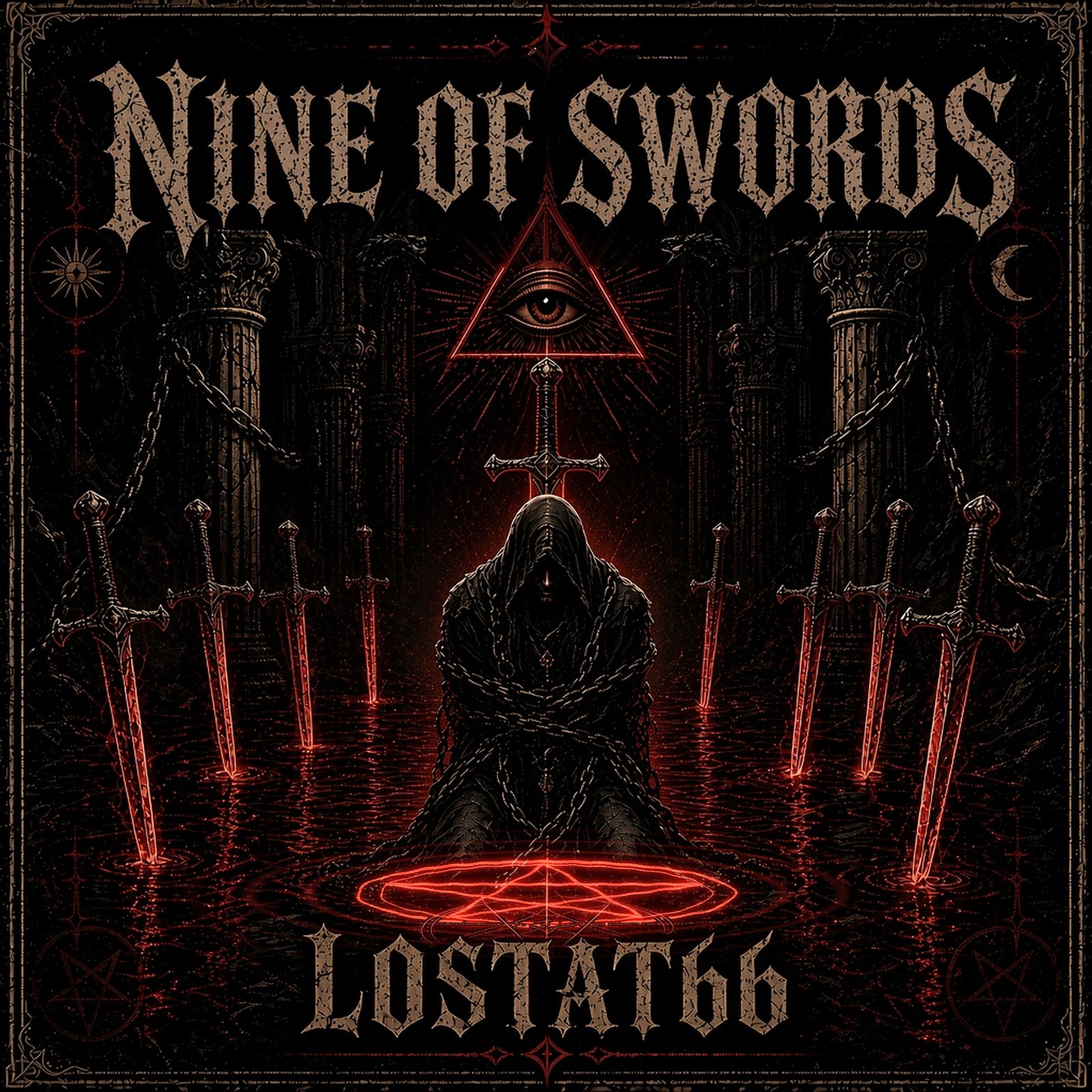
The mind becomes its own tormentor. Thoughts turn into weapons, regret becomes a sentence, and the night becomes a place where everything left unresolved returns.
THE DEVIL — THE CHAINS
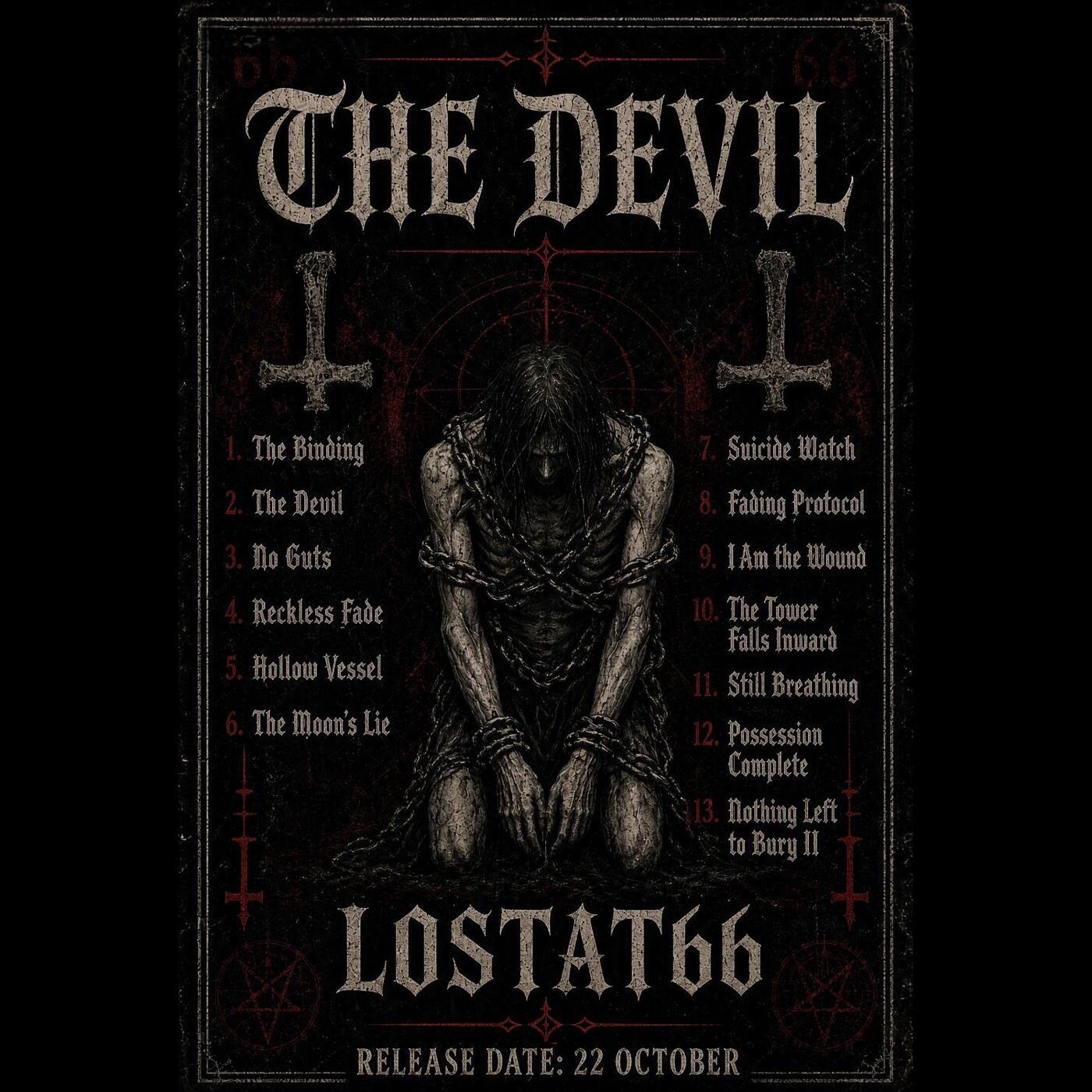
Compulsions, destructive patterns, shame and identities mistaken for freedom. The Devil is not necessarily an external enemy. He may be the face you recognise when you finally turn around.
THE LOVERS — THE CHOICE
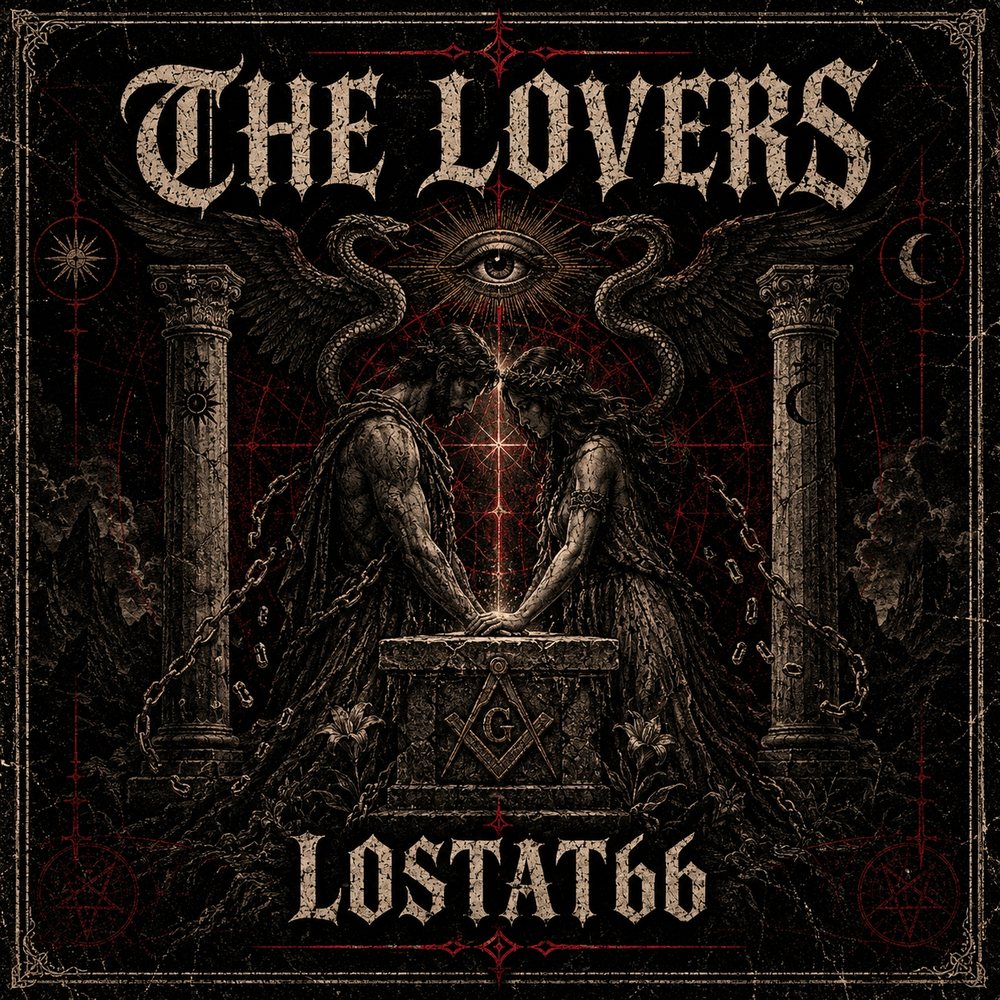
The confrontation between attachment, desire, connection and identity. The choices we make about love can expose the parts of ourselves we have spent years hiding.
THE EMPEROR — THE CONTROL
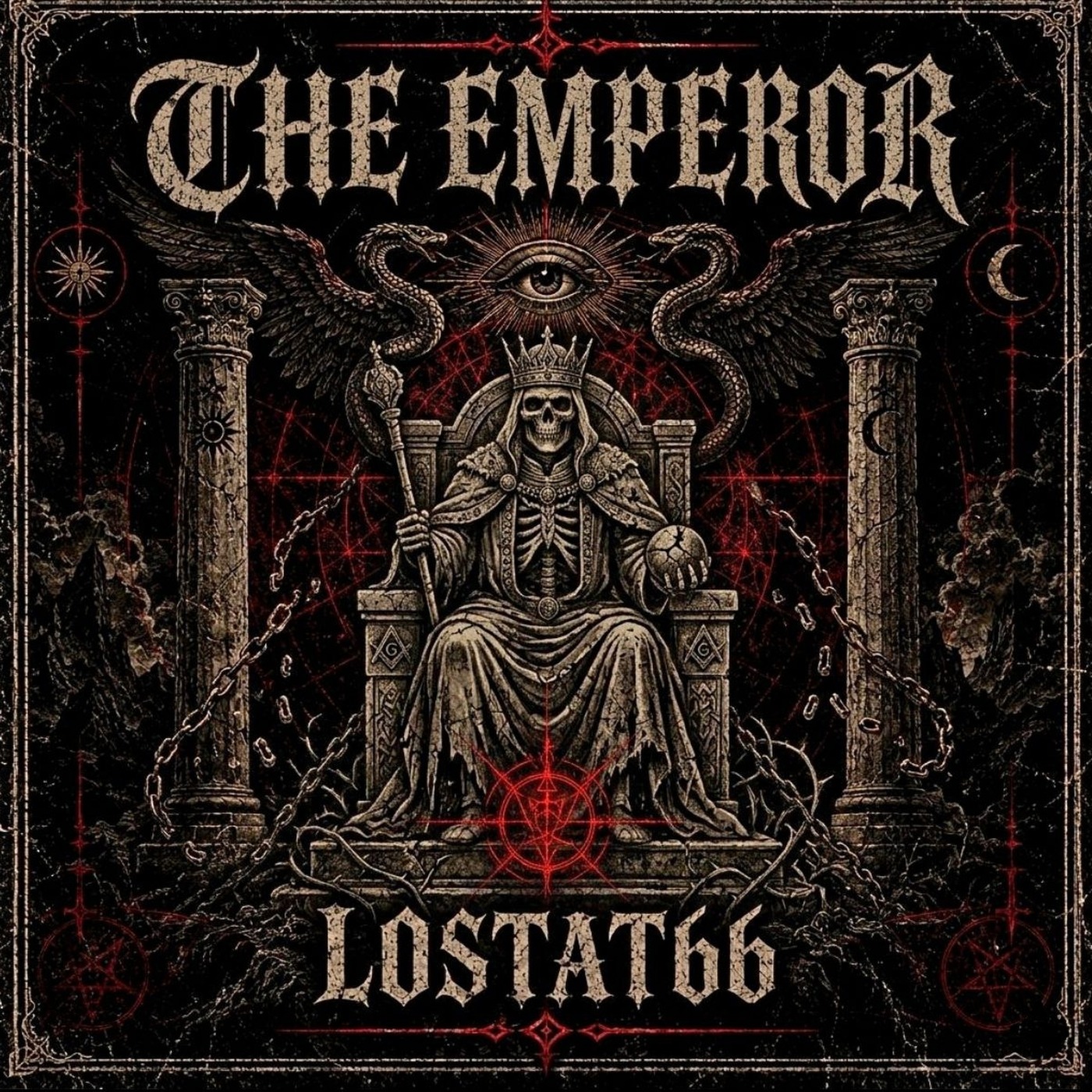
Structure, discipline, responsibility and the burden of becoming accountable for yourself.
The Emperor isn't necessarily the man who conquers everyone else. He may be the man who learns that controlling everything around him cannot repair what is broken inside him.
THE WORLD — THE INTEGRATION
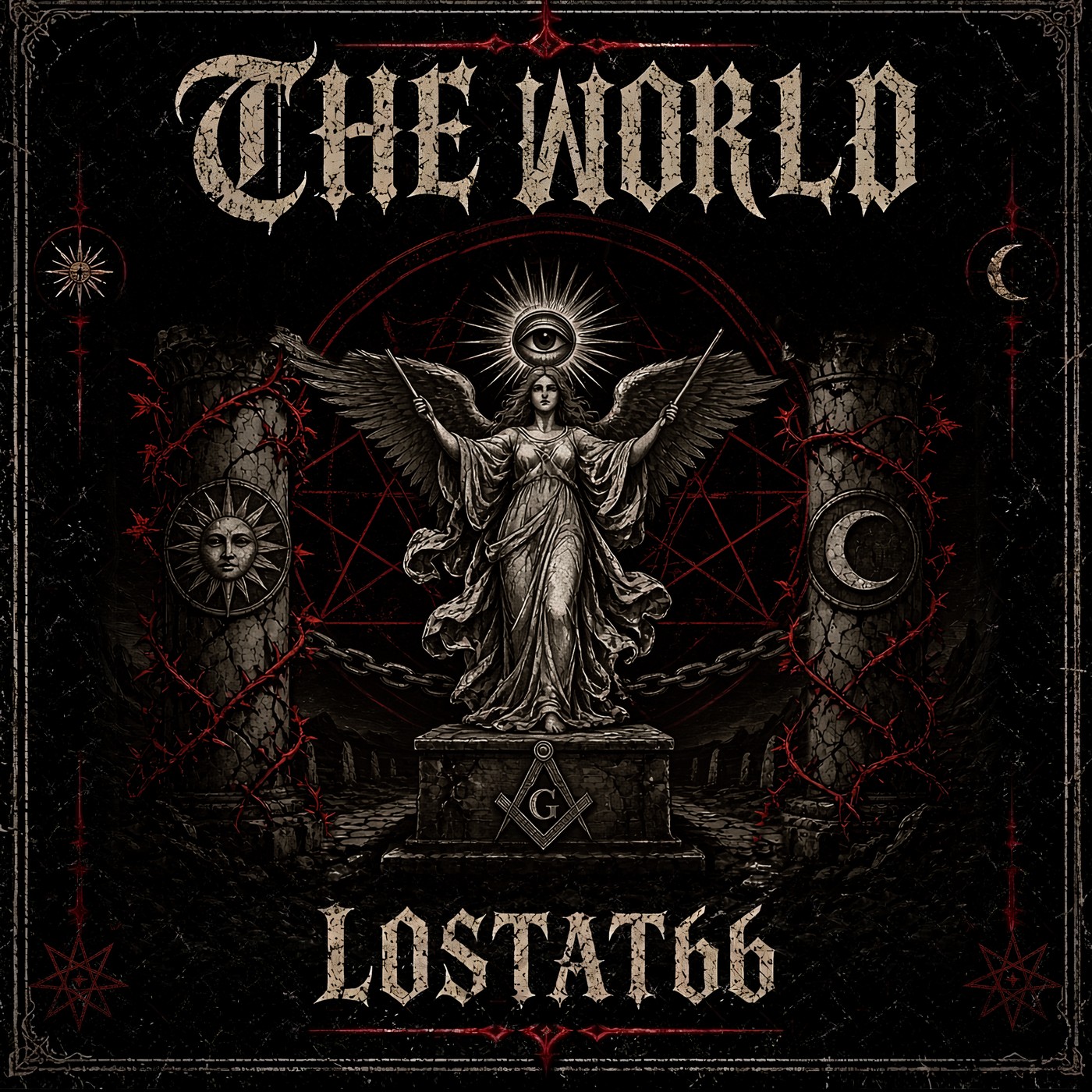
Confronting the past and becoming more than the sum of your former selves.
The World is not simply victory. It is the moment when you can finally look at every former version of yourself without needing to deny that he existed.
THE RESURRECTION / THE REVIVAL — THE RETURN
The possibility of beginning again after the old identity has fallen. Not returning to the person you once were, but discovering what remains when the old ways of surviving no longer define you.
THE FINAL CHAPTER — THE RECKONING
The reckoning with what the journey has cost, what must be left behind, and what can finally be laid down.
The albums are not unrelated collections of songs. Each chapter exposes a different layer of the same person.
The Emperor isn't simply a king sitting on a throne. He is the person attempting to build order from the ruins of his former self.
And The World is the moment of integration: accepting the past without allowing it to dictate the future.
The ghosts, chains, prison of the mind, altar and oath become a symbolic language the audience learns over time.
5. THE HIDDEN SYMBOLISM OF THE NUMBER 66
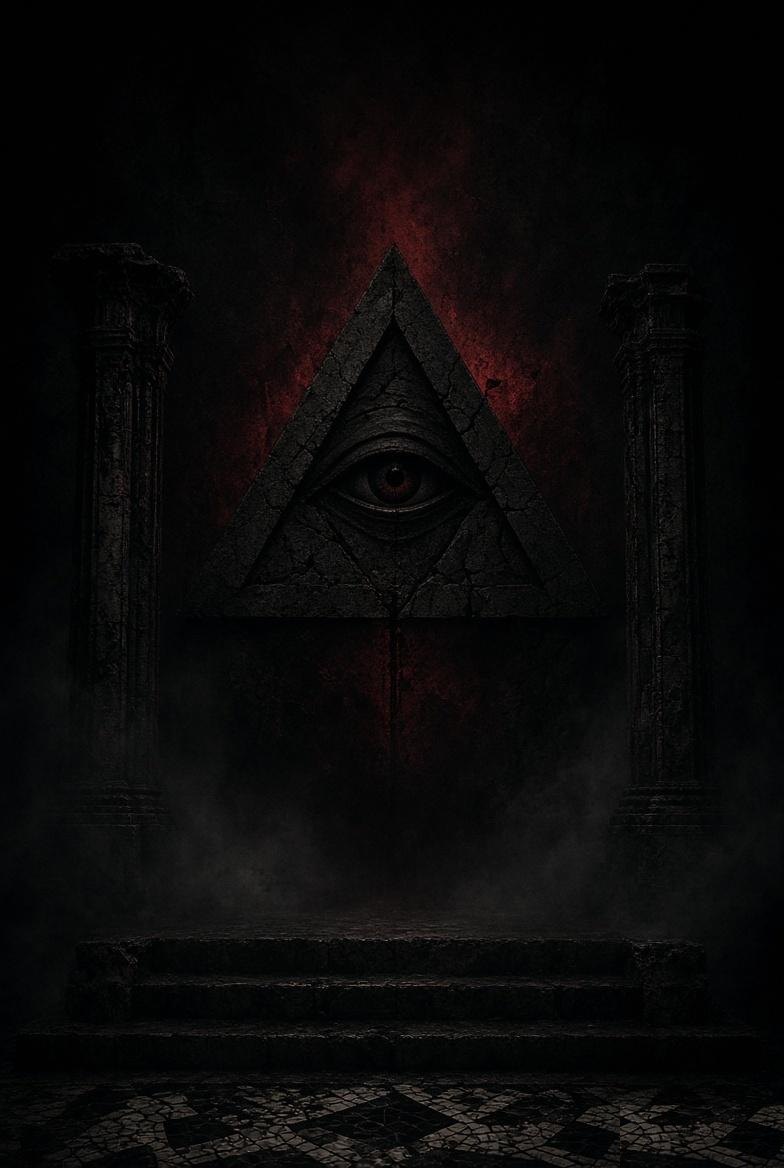
THE FIRST SIX — THE INDIVIDUAL
The self in conflict: the person caught between instinct, identity, responsibility and the life they are trying to construct.
THE SECOND SIX — THE REFLECTION
The self looking back at itself: the old identity, the shadow, the consequences and the recognition that the enemy may not be entirely external.
The doubled six is two identical figures facing each other, two sides of a coin, or two versions of the same person separated by a threshold.
One six is the person who entered the darkness. The other is the person who came out of it.
But did they actually become different people?
Or did one simply learn to see the other?
The number also carries the Masonic allusion of degrees and initiation.
66 is its own symbolic construction, drawing on initiation, doubling and transformation.
66 becomes the meeting point between the person you were and the person you are becoming.
6. THE BLOOD, BLACK AND RED
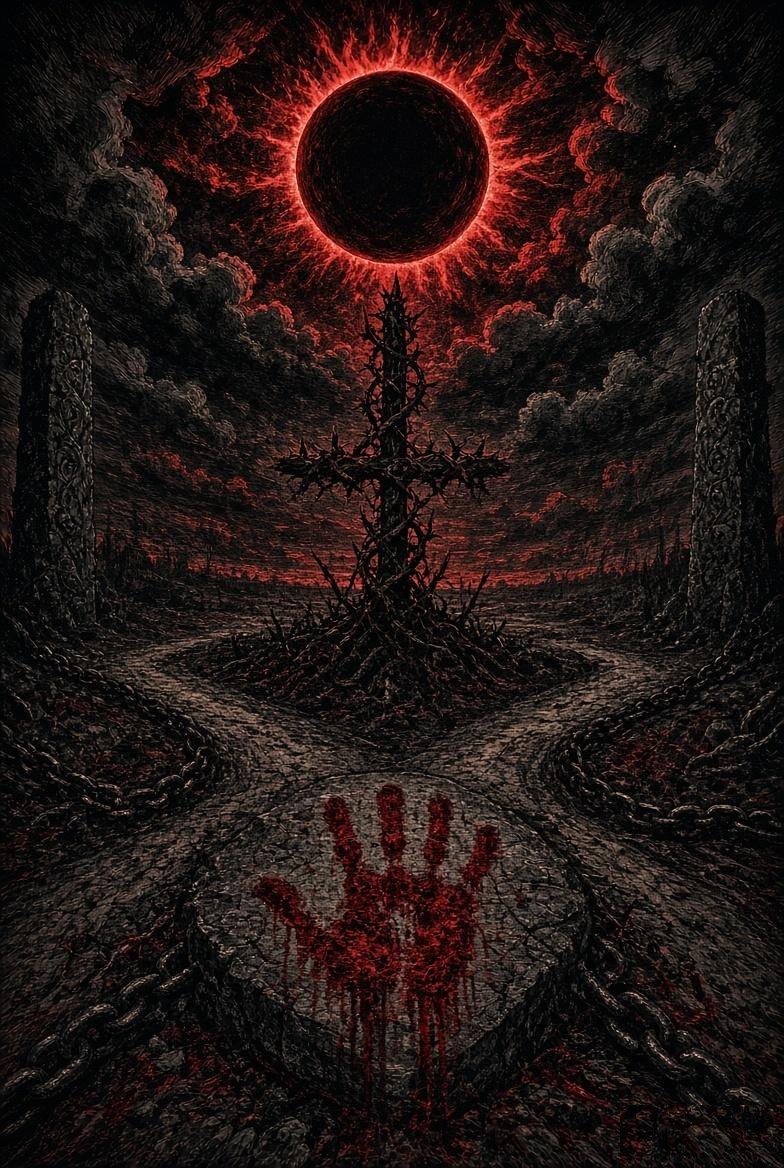
The black and red imagery in the lyrics and artwork can operate as a visual language.
- Black: What was concealed, the silence surrounding the wound, the unknown, the void.
- Red: The cost of being alive, sacrifice, pain and the blood price of a promise.
- The written oath: A temporary attempt to make suffering mean something.
- The scar: A record of the past that remains after the original wound has closed.
Consider the lyric imagery:
"The oath was written with the blood I bled."
The important idea is not simply that the oath is dark or violent. It is that the person making the promise is using their own suffering as the ink.
The oath becomes a record of what they endured, but it can also become a demand they place upon themselves. The very promise intended to save them might keep them trapped in the identity formed by their pain.
This gives the albums a meaningful evolution.
The early chapters can be dominated by blood, debt, scars and obligation. Later chapters can ask whether the person is allowed to live without continually paying for their survival.
The scar remains, but it no longer has to dictate the future.
7. THE TEMPLE AS A PLACE OF INITIATION
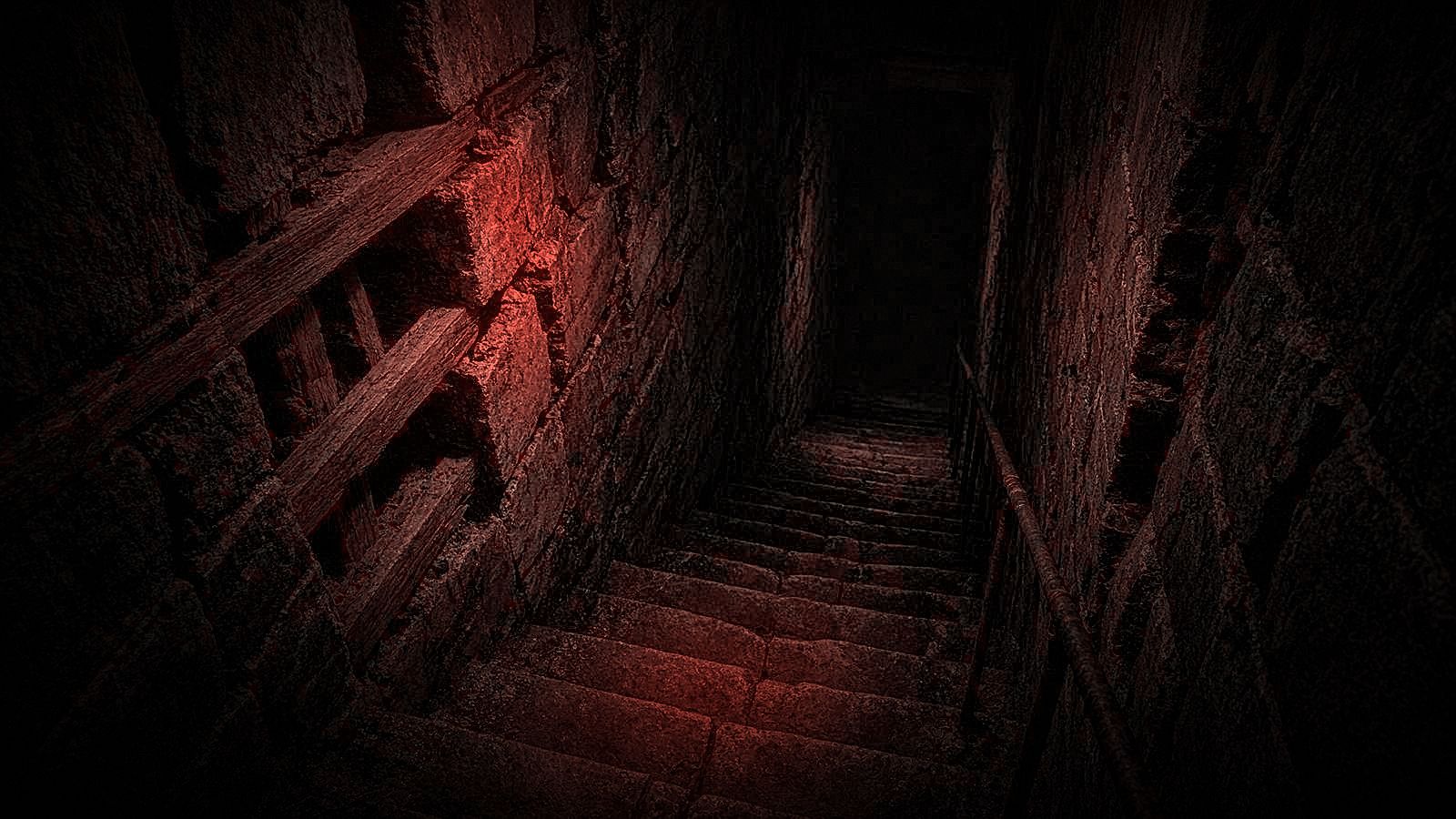
The Temple can be understood as a place where the person is stripped of the identity they constructed to survive.
Initiation is not simply about entering a secret room or learning a hidden truth. Within the LOSTAT66 mythology, it is a confrontation with the self.
The person enters believing they understand their suffering. The journey reveals that they may have misunderstood the very thing they thought was keeping them alive.
The Temple contains three stages:
THE DESCENT
The person confronts the wound, the darkness, the Devil and the habits that have become chains.
THE RECONSTRUCTION
The person learns discipline, responsibility and the difference between control and genuine strength.
THE REVELATION
The person discovers that becoming whole does not mean erasing the past. It means finding a way to carry it without allowing it to own every part of the future.
The initiation is not about becoming superior to other people.
It is about becoming honest enough to face yourself.
And the Temple remains unfinished because the work of becoming a person never truly ends.
8. THE DEEPEST MEANING — WHY THE TEMPLE EXISTS
This is where the symbolism of LOSTAT66 comes together.
The Temple is not only about the artist. It is about the listener.
Someone arrives carrying something they cannot explain. They hear a lyric that gives a name to an experience they thought was theirs alone. For a moment, they are no longer completely isolated inside it.
They discover that the music can hold something they have been unable to say.
That is the difference between an aesthetic and a purpose.
The Tarot provides the chapters.
The Masonic symbolism provides the architecture.
The number 66 provides the cipher.
The crossroads provides the origin.
The songs provide the testimony.
And the listener provides the meaning.
LOSTAT66 can therefore be understood on three levels.
THE OUTER TEMPLE — THE MUSIC
The riffs, imagery, clothing, artwork and mythology that first draw someone inside.
THE INNER TEMPLE — THE STORY
The hidden connections, recurring symbols, psychological conflicts and revelations that reward listeners who follow the albums.
THE LIVING TEMPLE — THE PEOPLE
The community of listeners who discover that their suffering does not make them uniquely broken, and that they do not have to carry everything alone.
The ultimate purpose is not to romanticise suffering or tell people that pain is the only way to become strong.
It is to take the things people struggle to speak about and give them somewhere to exist without shame.
LOSTAT66 becomes a place where the listener can recognise themselves in someone else's words.
They may arrive for the darkness, the riffs, the Tarot, the imagery or the mystery of the number.
But what keeps them there is the feeling that somebody understands.
9. THE CENTRAL SECRET OF LOSTAT66
The entire mythology can be distilled into one hidden truth:
The person who enters the Temple looking for salvation may eventually discover that the Temple was never meant to save him. It was meant to teach him how to rebuild himself — and leave the door open for everyone else who arrives lost.
The darkness is bound to the purpose without being erased.
The name, the Tarot cycle, the oath, the number, the unfinished Temple and the listener community are parts of one coherent story.
The ultimate transformation is not that the lost person becomes invulnerable.
It is that he no longer has to suffer in silence.
And perhaps the most important hidden contradiction of all is this:
LOSTAT66 is a place for the lost, built by someone who knows what it means to be lost — but its purpose is never to keep anyone lost.
THE CORE PHILOSOPHY
LOSTAT66 is the journey from suffering in silence to finding a voice.
It is the struggle to understand the person you became while trying to survive.
It is the recognition that the Devil, the Emperor, the ghosts and the chains are not merely characters or objects in a dark story. They are ways of understanding the internal battles that shape a human life.
It is the unfinished work of rebuilding yourself without pretending the damage never happened.
It is the realisation that the past can remain part of your story without owning its ending.
And it is the belief that the person who has spent years feeling alone might one day create something that allows someone else to feel less alone.
LOSTAT66 is not the worship of being lost. It is the construction of a Temple where the lost can find a voice, confront their darkness, and begin the work of becoming whole.