Tarot · IV
The Emperor
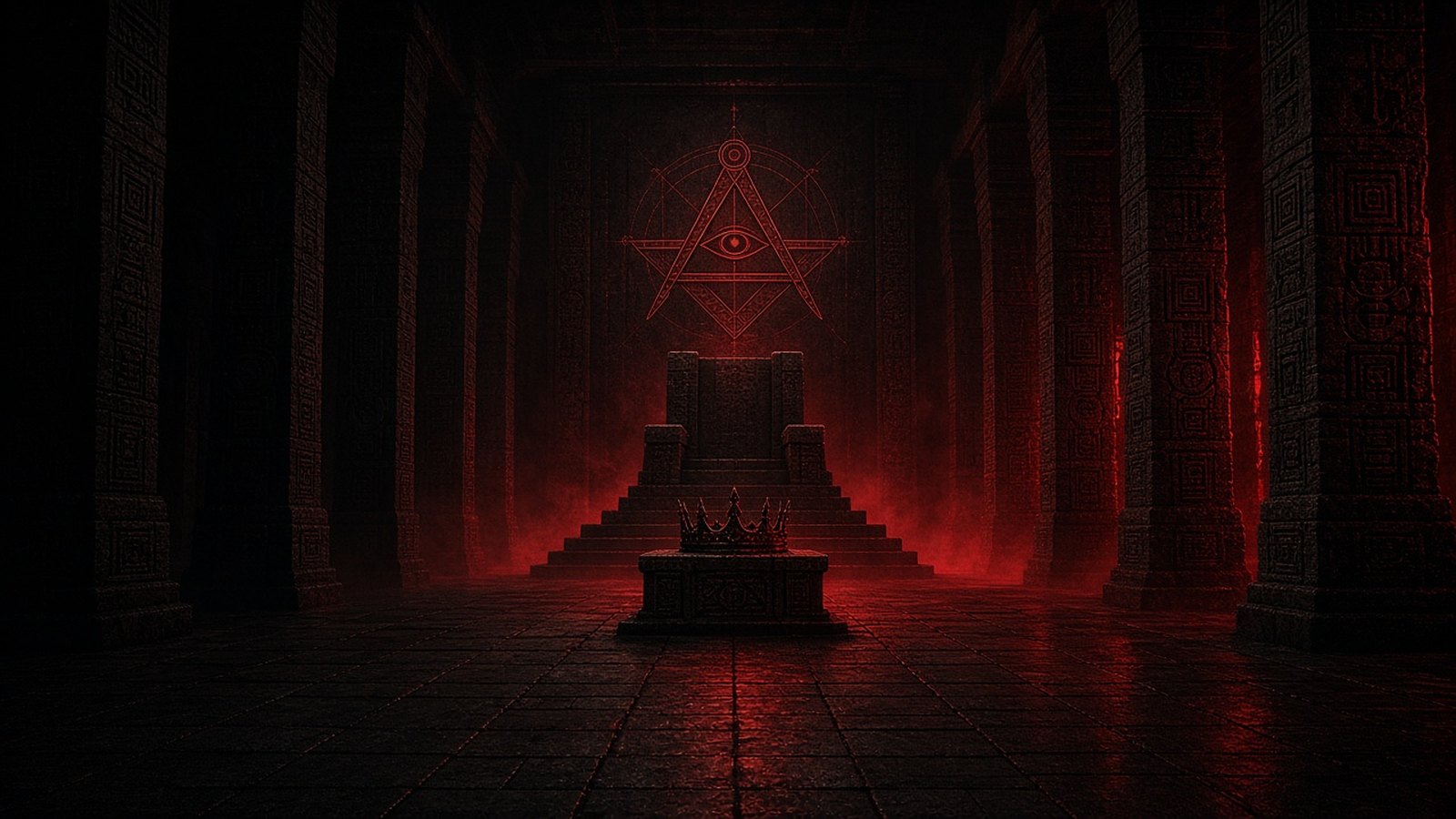
The crown meets the stone before the man is ready to carry it. The Emperor begins with that admission, not with a coronation. The fourth Tarot album takes the fracture of The Lovers into the work of becoming responsible for a life: boundaries, integrity, discipline and the capacity to remain present when the old self would have run.
There is no conquest here that can repair the interior by controlling everything outside it. The Emperor's authority must turn inward. Anger, fear, hunger, promises and choices become matters of self-government. Strength is separated from violence; respect from fear; discipline from the performance of having power. The kingdom is meaningful only if the person building it can live honestly within it.
That makes this chapter distinct from a simple reversal of the preceding darkness. The wounds have not vanished, and recognition alone is not enough. Ordinary repetition gives change a structure. A word is kept when nobody is listening. A boundary survives the moment when abandoning it would be easier. A person gets up and does the work without an audience. The album asks whether responsibility can become a floor beneath a life rather than another instrument used against it.
Its twelve tracks build that question from the ground. The Crown I Couldn't Carry admits the weight dropped. The Man I Buried refuses to keep resurrecting a destructive former self. No One Is Coming dismantles the rescue fantasy, not to forbid connection, but to return agency to the person waiting. The Weight of My Name asks a name to mean something through the choices made beneath it. Working Man gives discipline the direction of daily labour, beyond endless introspection.
The Oath returns too, changed by the distance travelled. The promise is smaller and more honest than perfection. It is the commitment to show up, to learn, to continue without abandoning the self for approval. A Man Keeps His Word makes integrity visible in its cost rather than its display. The Man Who Taught Me lets grief and respect carry an inherited standard without naming the person whose absence remains. The Mirror asks for a measure clear enough to produce change without becoming condemnation.
By the title track, the crown no longer needs to be made from another person's fear. The Kingdom I Built values a quiet room, conscience and love without self-erasure above the appearance of a castle. A Kingdom Within brings that work towards inward order: something stable enough to stand on, rather than another coffin built around the person it claims to protect.
Welcome to Anhedonia offers a return through earlier chambers before The World closes the Tarot cycle. The Emperor prepares that integration by building capacity, not invulnerability. Its man has not finished becoming. He has begun to answer for what he chooses, and to understand that the structure worth keeping is the one that can bear truth without locking life outside.
Meaning
The Crown I Couldn't Carry
The crown is made from promises, and the man beneath it cannot bear the weight. The Crown I Couldn't Carry opens with the gap between wanting authority and accepting what authority asks. The lyric refuses the old explanations that called failure fate and the inability to keep peace war. Respect cannot be demanded while responsibility is avoided.
The turn is not to find a heavier crown. It is to let the throne fall and build the person first. Fragments and unfinished promises become materials for a foundation instead of reasons to keep blaming the world. Within The Emperor, this admission is the first honest act of strength. The song does not make failure disappear; it removes the performance that kept failure from becoming useful knowledge. The crown can wait. What matters is the man who will eventually have to carry it without asking others to carry him.
The Man I Buried
The man being buried wears the narrator's own face. The Man I Buried follows a former self sustained by lies, resentment and the habit of calling destruction freedom. The lyric does not deny that he existed. It recognises how often pain became a throne from which to demand that everyone else pay.
The grave is symbolic: the end of a way of living, not the destruction of the human being who has to continue. That distinction keeps the song connected to Do Not Resuscitate while allowing The Emperor's responsibility to deepen it. Remembering does not require resurrection. Refusing to become that man again does not require hating him forever. Revenge appears as another prison, with the key too close for the narrator to keep pretending it belongs elsewhere. The track closes its grave so the work can begin, leaving the person alive to do something different with what remains.
No One Is Coming
Waiting becomes its own enclosure in No One Is Coming. The lyric places the narrator at a door, hoping for rescue while the hours become years. The song's severity is aimed at that suspended agency, not at the human need for care. The change comes when the person waiting finds his own feet and begins to understand what another life will require of him.
Within The Emperor, this is lonely responsibility turning towards work. A different future cannot remain entirely dependent on someone else arriving to carry it across the threshold. The final possibility is not only standing alone. It is becoming the man who stays and the one who holds the door. That matters to LOSTAT66's wider purpose: self-government is not supposed to make a sealed fortress. It should make someone capable of acting, remaining, and eventually leaving an entrance open without waiting to be remade from outside.
The Weight of My Name
A name begins as a word. Trust makes it heavier. The Weight of My Name follows the movement from fleeing that weight to standing behind it, letting every letter ask what the person carrying it is willing to do. The lyric separates a name from inheritance and turns it towards responsibility: what is said must be answered for, and what is broken must be faced honestly enough to rebuild.
The song does not ask for perfection or unanimous recognition. Being misunderstood by the world is different from refusing to know the difference between the self and the performance. Within The Emperor, identity acquires a measure that does not depend on applause. It rests in the choices made under the name. The iron in that image is not a crown used to dominate others. It is the burden the narrator is finally willing to put his own hands beneath.
Working Man
Working Man gives discipline a task beyond thinking about discipline. Daily physical labour directs the chapter's rebuilding into something done, repeated and answered for. The self is not remade only by understanding the ruins. It also needs a way to meet the ordinary day without waiting for a defining moment to make the work feel possible.
Within The Emperor, the track holds the difference between declaring an identity and living it. A promise can be spoken once. Its meaning has to survive repetition. The song's place in the album brings responsibility down from the throne and towards the scale of actual effort, without inventing a workplace or occupation for the narrator. What matters is labour as direction. The person who wanted a kingdom has to become capable of building, and building asks for more than the feeling of being ready when the tools are first placed in his hands.
The Oath
The promise returns with fewer illusions in The Oath. The lyric admits earlier promises turning to dust and refuses to replace them with an impossible guarantee of perfection. Instead, it offers presence: staying when fear returns, learning after failure, continuing without selling the self for someone else's love or approval.
This is commitment revisited after the destructive obligation heard in earlier chambers. The word still matters, but it is no longer meant to consume the person keeping it. The addressee is not the crowd or the ghosts. It is the man in the mirror, including the moments when nobody else can hear. Within The Emperor, that smaller promise carries a deeper weight than display. What happened cannot be rewritten, yet what happens next can be chosen. The song makes the Oath a practice of becoming trustworthy to oneself rather than another demand to become untouched by life.
A Man Keeps His Word
Anyone can promise when the promise costs nothing. A Man Keeps His Word places integrity where the easy road begins to offer relief, where nobody would know if the commitment were abandoned. The lyric gives character a measure outside performance: what remains when there is no audience and nothing obvious left to win.
Its narrator does not speak from an unbroken record of goodness. Broken promises and disappointment remain part of the account. Shame alone cannot build their replacement. Following through has to become an action rather than another punishment. Within The Emperor, this is one of the ways responsibility becomes human instead of immaculate. Trust survives through imperfect lives made more dependable, not through the fiction that a person has never failed. The song's demand is severe because it is ordinary: do not only tell the world who you are. Let the word survive the moment when keeping it hurts.
The Man Who Taught Me
Hands are remembered before explanations in The Man Who Taught Me. The lyric honours someone whose example made strength visible without cruelty: standing between danger and loved people, carrying pain without passing it on, and knowing when gentleness is what strength requires. Grief changes that memory into a mirror, making the weight of those quiet lessons clearer over time.
The song does not identify this person, and its meaning does not depend on assigning a family role or biography to the absence. What matters is the standard left behind and the narrator's decision to carry it forward without pretending to become the same man. Within The Emperor, responsibility is not built only from self-reproach. It can also be received through love and example. The promise is to honour what was shown in the way the living person chooses to stand, protect and remain gentle now.
The Mirror
No convenient enemy remains in the room in The Mirror. The lyric looks towards the boy abandoned, the promises defeated and the choices that cannot be hidden behind another person's name. But the reflection is not asked to deliver another punishment. It is asked to make change possible. Accountability and self-hatred are no longer allowed to mean the same thing.
This distinction gives the track its place in The Emperor. Discipline can become another mask if it only makes condemnation appear respectable. The narrator has to stay with what he sees without using the damage as permission to remain unchanged. He is not reduced to his worst mistake; he is responsible for what he does next. The mirror's clarity is therefore different from the inward surveillance of Nine of Swords. Seeing can become a way to remain present with the self, not merely another reason to turn against him.
The Emperor
The title track removes conquest from the crown. The Emperor names authority over the self: anger, fear, appetite, boundaries and the promises kept when nobody is watching. Power no longer means owning the room. It means being answerable for what the narrator allows to govern him, and for what he refuses to become.
The lyric gives walls a different purpose too. They are not simply there to keep the world away, but to distinguish what may enter from what cannot remain. Mercy does not cancel strength. Saying no does not cancel love. Within the wider story, these are hard-earned distinctions after bondage and fracture, not the attributes of a person who never fell. The song's claim is grounded in choices made repeatedly. Even if the crown is lost tomorrow, the practice of self-government can remain. The throne itself was never what needed to be saved.
The Kingdom I Built
One brick follows another in The Kingdom I Built. What begins among broken stone becomes a life measured less by grandeur than by what can be lived inside it: a quiet room, a conscience that can be faced, and love that does not require the self to disappear. A castle would not make those things more real.
Within The Emperor, this track brings the chapter's ordinary work into a structure worth protecting. Promises and trust matter because they determine what happens within the walls, not because the walls appear imposing. That distinction carries the album away from domination and towards the wider Temple's unfinished purpose. A building cannot prove freedom merely by remaining upright. Its life matters. The song lets the scale become human, honouring what has been built from what remained without turning the builder into a conqueror or claiming that every room has already found its final shape.
A Kingdom Within
A Kingdom Within closes The Emperor by bringing order beneath the feet rather than over another person's head. The inward structure becomes a stable floor, not another coffin. The chapter's discipline has to support life instead of merely containing it, or the crown will have changed its appearance without changing what it asks of the person carrying it.
The track gathers the preceding work without announcing that becoming is finished. Failure has been admitted, words have been given weight, boundaries have begun to hold, and responsibility has acquired a daily scale. Now that capacity must remain habitable. In the wider descent, Welcome to Anhedonia revisits earlier rooms before The World brings the Tarot cycle into integration. This closing song leaves the listener with something capable of standing through that return: not a perfect man or a completed Temple, but an inward ground that does not need to bury the person it supports.